



The moment you first set foot on the Istrian peninsula, you quickly realise that travelling through this region is not only a visual experience of green hills and the blue of the Adriatic. Travelling through Istria is, above all, a journey for your senses, one in which gastronomy takes the leading role. Istrian cuisine is one of the most fascinating and highly regarded regional cuisines in this part of Europe, and the secret of its appeal lies in an incredible balance. It is a perfect, almost poetic blend of refined Mediterranean influences and the rich, hearty traditions of Central European and continental cuisines.
While the coast is filled with the scent of fresh fish, olive oil and rosemary, just a few kilometres inland the tables are dominated by rich game sauces, wild herbs and the heavy, intoxicating aromas of the forest's bounty. What sets Istrian gastronomy apart on the world map is its relentless focus on fresh, seasonal and exclusively local ingredients. Here people do not cook according to global trends, but according to nature's calendar. The land and the sea give what is best at that moment, and local chefs turn those gifts into pure magic on the plate.
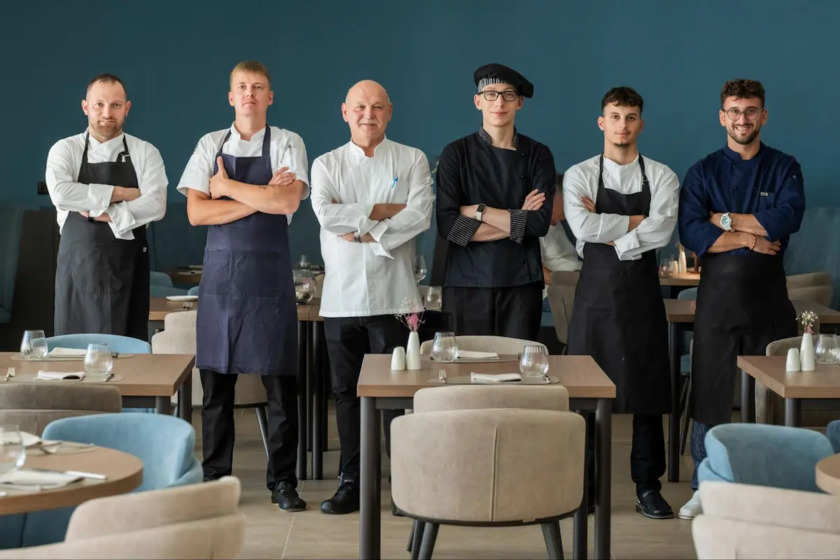
If you are encountering a menu in an Istrian tavern or in our Hotel Monumenti restaurant for the first time, the wealth of names and combinations may seem a little mysterious. To make your first steps in this gastronomic paradise easier, below we offer an overview of the key native flavours and dishes that you simply must add to your list of gastro wishes.
White and black truffles: the kings of the Istrian underground
No story about Istrian cuisine can begin without mentioning its greatest treasure — the truffle. This mysterious underground fungus, which thrives in the specific conditions of the humid Motovun forest, rightfully holds the title of Istria's gastro king. For beginners, an encounter with truffles can be an intense experience. Their distinctive, earthy, penetrating and exceptionally rich aroma and flavour are unlike anything you have tasted before.
In Istria we distinguish two main types of truffle: black and white.
-
Black truffle (Tuber aestivum / melanosporum): Less intense, but exceptionally pleasant and aromatic. Its season lasts almost all year round, peaking in the summer and winter months. It is ideal for those just getting to know this flavour.
-
White truffle (Tuber magnatum pico): The most expensive, rarest and most prized truffle in the world. Its season is short, running from September to January. It has an exceptionally intense, sharp aroma that wins you over in a second.
If you want to experience truffle in its best, most authentic light, stick to tradition. The best truffle dishes are the simple ones, because the base (such as pasta or eggs) lets the truffle shine in full glory. Order homemade fuži or gnocchi with truffles, where the fungus is gently grated over warm pasta bound together with a base of butter and stock. Another excellent option is fritaja (eggs) with truffles, a traditional dish often eaten for breakfast or as a light dinner, in which the warmth of the cooked eggs perfectly releases the ethereal aromas of the truffle.
A tip for beginners: The truffle is exceptionally powerful. On your first encounter, we suggest you start with a smaller portion or a dish with black truffle. Allow your senses to get used to this unique aroma before moving on to the more intense white truffle.
Istrian pasta — fuži, pljukanci, gnocchi
Pasta is a pillar of Istrian family and restaurant cooking. But forget classic industrial spaghetti. In Istria, pasta is an art passed down from generation to generation, and each variety has its own specific shape, texture and purpose on the plate.
The secret of perfect Istrian pasta lies in homemade preparation, quality flour and fresh eggs. When you sit down at the table, you will most often see three stars on the menu:
-
Fuži: Traditional pasta in the shape of thin patches of dough rolled into small tubes. Thanks to their hollow interior, fuži are perfect for "catching" rich, thick sauces.
-
Pljukanci: Traditional spindle-shaped pasta, made by rolling small pieces of dough between the palms. They have a specific, firmer texture that gives an excellent bite.
-
Gnocchi: Soft little pillows of potato dough that in Istria must be light as clouds, melting in your mouth.
Istrian pasta never comes alone, but always accompanied by rich sauces (known locally as "šugo"). The most famous is the game sauce (hare or wild boar) or the sauce made from local boškarin (the native Istrian cattle), which is gently simmered for hours. In spring, be sure to try pljukanci with asparagus, while in autumn fuži with truffles are the undisputed winner.
As your first choice, we recommend pljukanci with boškarin sauce or fuži with free-range chicken. These are the dishes that best represent the authentic, rich flavour of the Istrian interior and show how simple ingredients are transformed through long cooking into top-class gastronomy.
Prosciutto and Istrian cheese: the perfect introduction to any story
Every true gastro visit to Istria begins with a cold platter on which Istrian prosciutto and local cheese take the leading role. This is not an ordinary cold cut — it is tradition, pride and the result of many months, even years, of effort by local producers.
Istrian prosciutto differs significantly from Dalmatian or Italian prosciutto. It is protected by a designation of origin, and it is distinctive in that all the fat is removed from the skin, it is dried on the skin without smoking, exclusively in the clean Istrian bura wind, and it is treated with dry salt, garlic, bay leaf and pepper. The result is meat that literally melts on the tongue, with a mild but deep, sweet-salty flavour.
Istrian cheese is a must alongside the prosciutto. Most often these are hard cow's, sheep's or mixed cheeses. A special treat are cheeses that age in grape pomace (the residue left after pressing wine) or those with pieces of truffle added.
If you are not sure where to start, order the "Istrian platter" as a cold appetiser. Along with thinly sliced prosciutto and several kinds of cheese, you will often find homemade sausages (pork or game) marinated in Malvasia, and homemade pickled vegetables. Drizzle everything with a few drops of top-quality Istrian extra virgin olive oil and take a piece of homemade bread. That is the purest, most honest introduction to the Istrian culinary philosophy.
Seafood and fish: the freshness of the Adriatic on your plate
While the Istrian interior offers rich, earthy flavours, its coast celebrates the purity and freshness of the Adriatic Sea. Oily and white fish, crustaceans and shellfish are prepared in Istria's coastal towns with a minimalist approach. The goal is to preserve and emphasise the original flavour of the sea, without heavy spices that would mask it.
One of the symbols of Istrian sea cuisine are the oysters from the Lim Channel. Thanks to the mixing of seawater with fresh underground spring water, the Lim Channel has a specific salinity that gives the oysters an exceptionally rich, meaty and sweetish flavour. They are eaten completely fresh, just opened, with a few drops of lemon juice.
What should you absolutely try?
-
Fresh grilled fish (gradele): Sea bass, sea bream or John Dory (šampjer), prepared over charcoal and drizzled only with olive oil and garlic, are a classic that never disappoints.
-
Mussels buzara style (na buzaru): Shellfish cooked in a sauce of white wine, olive oil, garlic, parsley and breadcrumbs. This is a dish eaten with your fingers, and the bread must be dipped into the remaining, incredibly tasty sauce.
-
Brodet: A traditional fish stew made from several kinds of fish (most often conger eel, scorpionfish, monkfish), served with a thick, warm polenta that soaks up the rich flavours of the sea and tomato.
Asparagus and wild herbs
If you visit Istria in spring (from March to May), you will notice the locals walking along the edges of forests and olive groves with small knives and bundles. They are searching for Istria's green gold — wild asparagus.
Unlike cultivated asparagus, wild Istrian asparagus is thin, dark green and has a characteristic, intense and bitter flavour that is highly prized among gourmets. It is a synonym for health, for cleansing the body after winter and for the awakening of nature.
The main dish you must try during this period is fritaja with wild asparagus. The asparagus is broken by hand into small pieces (only the tender part), briefly sautéed in olive oil (often with the addition of homemade prosciutto or young spring onion) and covered with beaten eggs. This simple combination of bitter asparagus, salty prosciutto and creamy eggs provides an incredible balance of energy and flavour, and represents the absolute peak of spring gastronomy in Istria.
Maneštra — the Istrian soul in a bowl
If you want to try a dish that has nourished generations of Istrians for centuries and that holds the title of the Istrian culinary soul, then you must order maneštra. Maneštra is a thick, hearty soup-like dish, traditionally prepared in a large pot over an open hearth.
It is not an ordinary vegetable soup. Its base is always beans (bažul) and potato, which are cooked for hours with the addition of dried pork meat or a prosciutto bone that gives the dish a specific, rich smoky aroma. The key element of every true maneštra is the "pešt" — a finely chopped mixture of bacon, garlic and parsley that is added at the very beginning of cooking.
Depending on the seasonal vegetables added to the base, we distinguish several classic types of maneštra:
-
Maneštra od bobići: The most famous variant, to which grains of young corn (bobići) are added.
-
Jota: A specific version in which sauerkraut (or sour turnip) is cooked instead of fresh vegetables, giving the dish a pleasant sourness, ideal for cold winter days.
-
Maneštra with fennel: Contains wild fennel, which gives the soup a refreshing, mild note.
Maneštra is a thick dish, so rich that in the past it was eaten as a stand-alone main course. Our warm recommendation for every beginner is to start their lunch on colder days with a bowl of warm maneštra od bobići — that is the taste of the Istrian home and hospitality in a single bowl.
Something sweet to finish: traditional Istrian desserts
No meal in Istria is complete without something sweet, but traditional Istrian desserts differ considerably from modern, creamy cakes. They historically arose in modest households, from basic ingredients that were always available: flour, eggs, homemade lard, raisins and rakija (brandy). The result is simple, dry or fried cakes that smell of lemon zest, vanilla and homemade liqueur.
When it comes time for dessert, you will most often find on the table:
-
Fritule: Small, round balls of fried yeast dough, often enriched with raisins, grated apple and aromatic homemade rakija so that the dough does not absorb too much fat during frying. Dusted with icing sugar, they are indispensable at every festival and family gathering.
-
Kroštule: Crumbly, thin dough shaped into strips or bows, fried in deep oil and generously dusted with sugar. They are exceptionally crunchy and light.
-
Istrian cukerančići: Traditional wedding biscuits of a distinctive branched shape, which after baking are dipped in local wine (Malvasia) and then in coarse sugar.
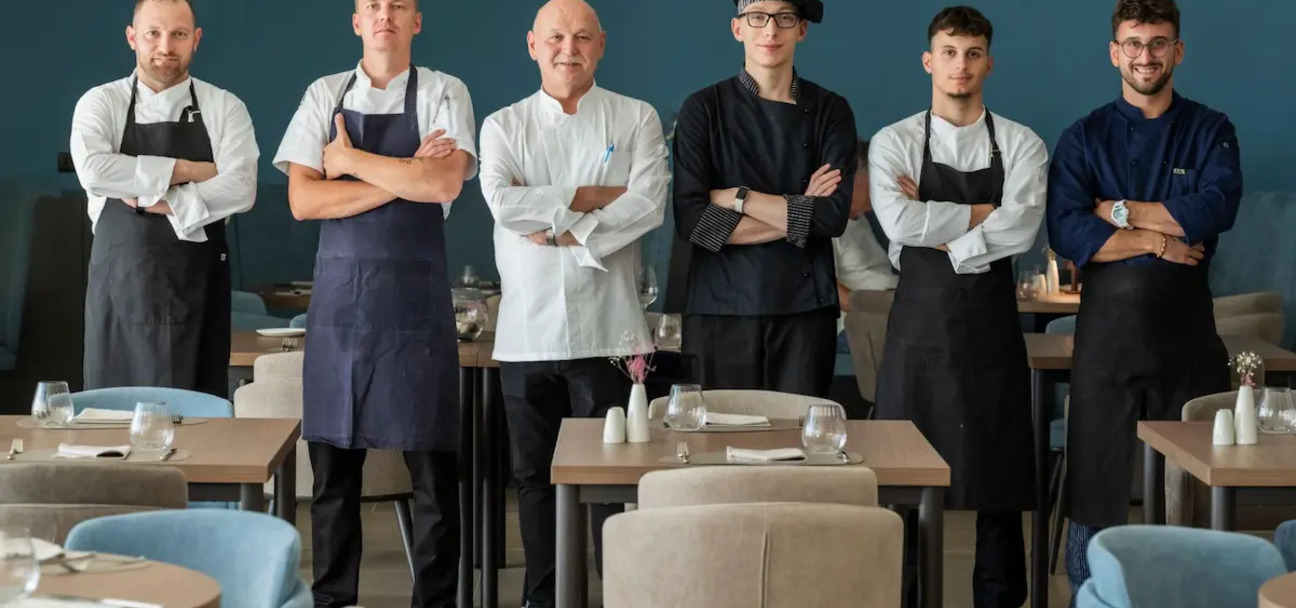
Istrian cuisine is much more than just a meal — it is a way of life, a celebration of nature and a deep respect for tradition. Every bite tells a story of the red and grey earth, the depths of the sea and the effort of the local people. To experience all these flavours in their full glory, visit the Monsapori restaurant. The kitchen is led by experienced chef Franko Mocko, with the creative support of the multi-award-winning young chef Patrik Prnjak, while the unforgettable sweet finale to every meal is taken care of by the outstanding pastry chef Neven Jadreško.
Our entire menu is carefully built on the basis of fresh seasonal produce and top local ingredients, bringing you contemporary interpretations of Mediterranean and Istrian cuisine that at the same time remain deeply faithful to their original, authentic flavours.
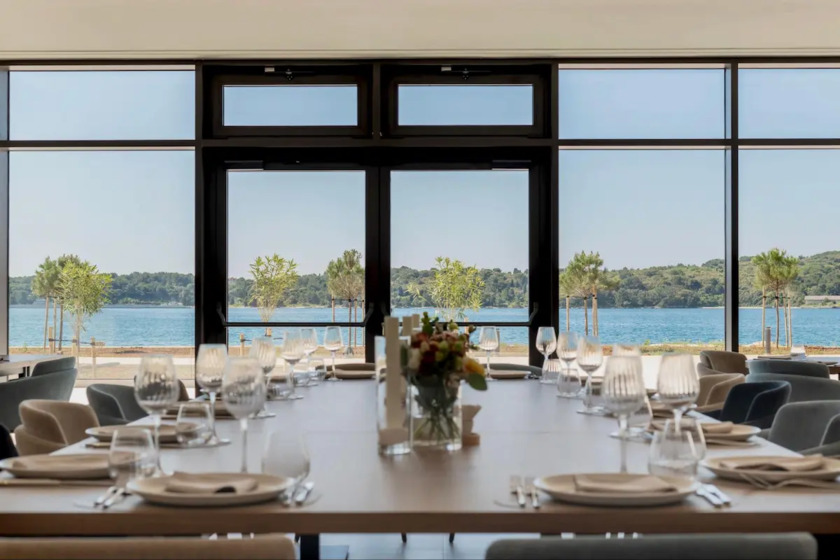
Relax, take your time, surrender to our team's recommendations and let Istria win you over the way it does best — through the stomach. Enjoy your meal!
